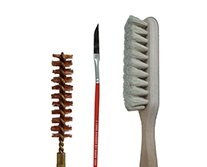
Brushes By Handle Material
Brushes By Application
Brushes By NSN Number
Clearance Brushes
Brushes By Industry
Aerospace
Automotive
Electronics
Facility Management
Food Service
Forensics and Criminology
Janitorial
Material Handling and Packaging
Medical
Military
Pharmaceutical
Printing and Engraving
Stock Brushes
Abrasives & Buffs
Applicator Brushes
Artist Brushes
Artist and Forensic Brushes
Block Brushes
Bore Brushes
Brushes By NSN Number
Channel Brushes & Metal Holders
Cylinder Brushes
Duster Brushes
ESD and Cleanroom Brushes
Flow Thru Brushes
Handheld Brushes
Janitorial Brushes
Metal Handle Brushes
Miniature Brushes
Non-Scratch Tube Cleaning Brushes
Non-Sparking Brushes
Paint Brushes and Accessories
Plastic Handle Brushes
Precision Brushes
Scratch and Plater Brushes
Specialty Brushes
Speedy Sweep®
Spiral/Twisted-in-Wire
Toothbrush Style
Upright Brushes
Utility Brushes
Wood Handle Brushes
Brushes By Application
Artist Brushes
Disinfecting & Sterilizing Brushes
ESD and Cleanroom Brushes
FDA Compliant Brushes
Forensic Brushes
Janitorial Brushes
Medical Brushes
Non-Sparking Brushes
Paint Brushes and Accessories
ISO 9001:2015 Certified Accessibility
Proud To Be An AMERICAN Manufacturer™
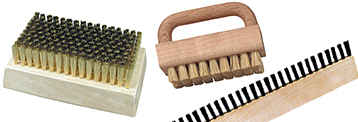 Block Brushes
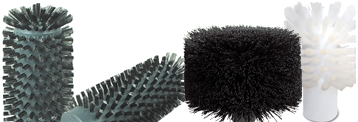 Bore Brushes
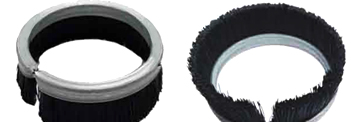 Cup Brushes
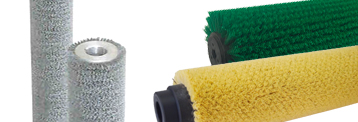 Cylinder Brushes
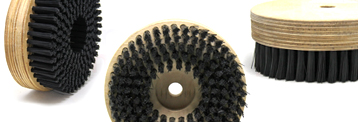 Disk Brushes
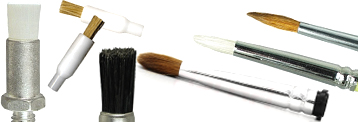 Flow Thru Brushes
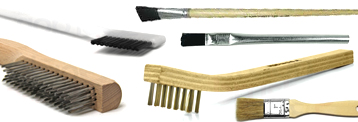 Hand Held Brushes
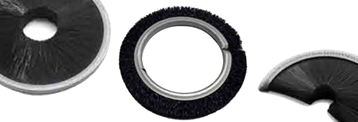 Inward & Outward Disk Brushes
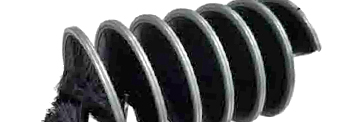 Inward Wound Coil Brushes
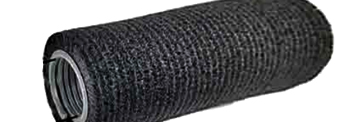 Outward Wound Coil Brushes
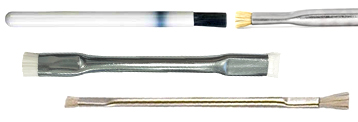 Pencil & Applicator Brushes
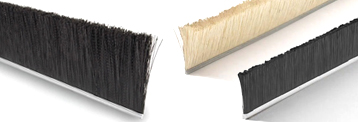 Straight Strip Brushes
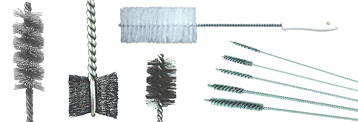 Twisted-In-Wire Brushes
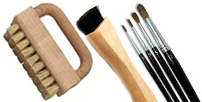 Natural Fill Brushes
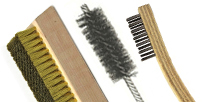 Wire Fill Brushes
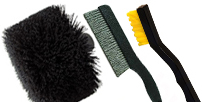 Synthetic Fill Brushes
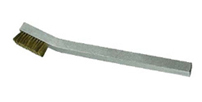 Metal Handle Brushes
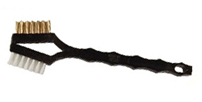 Plastic Handle Brushes
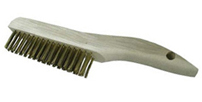 Wood Handle Brushes